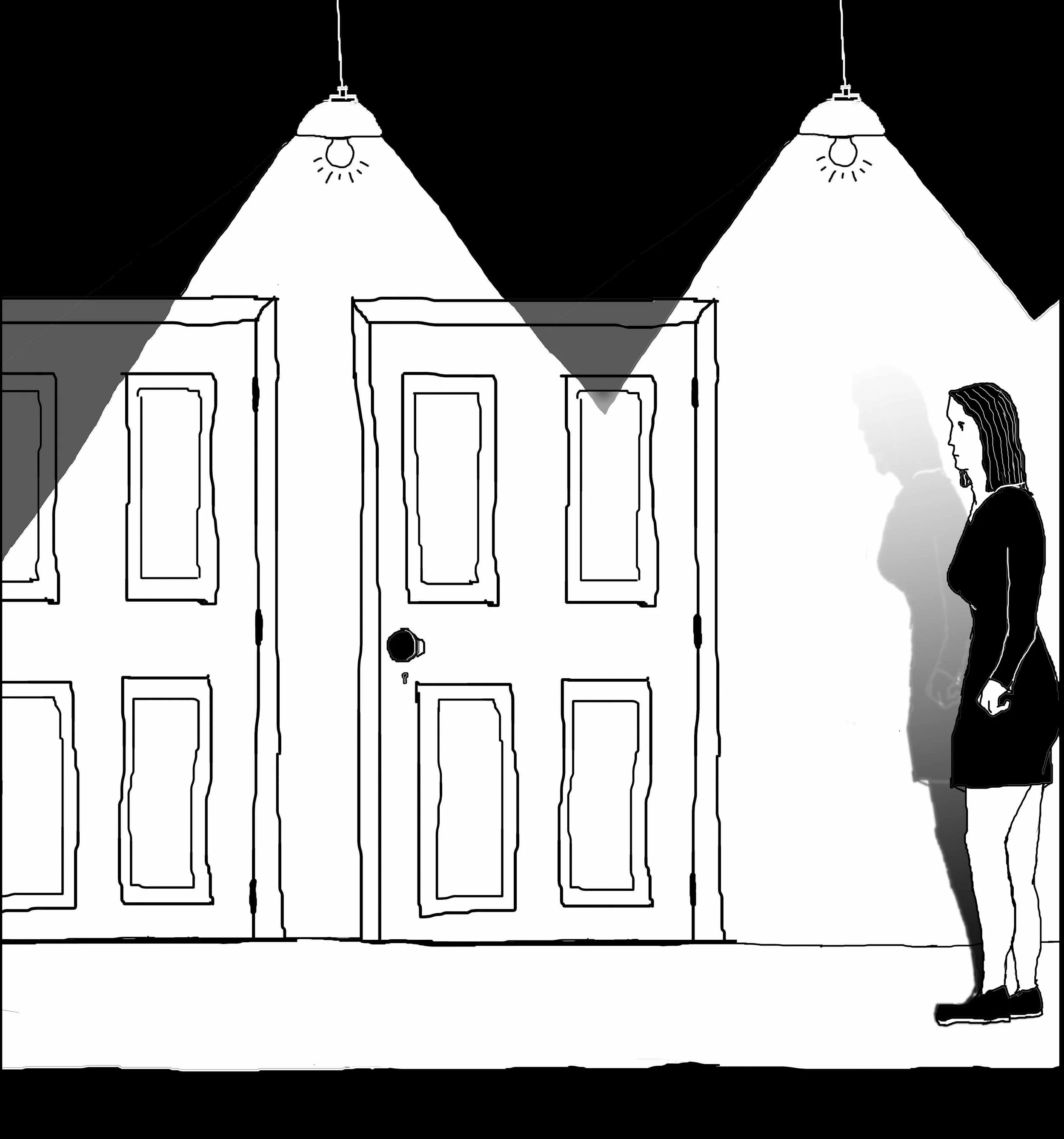
It will proceed with each of my utterances, regardless of whether they are suited for that moment.
diary /
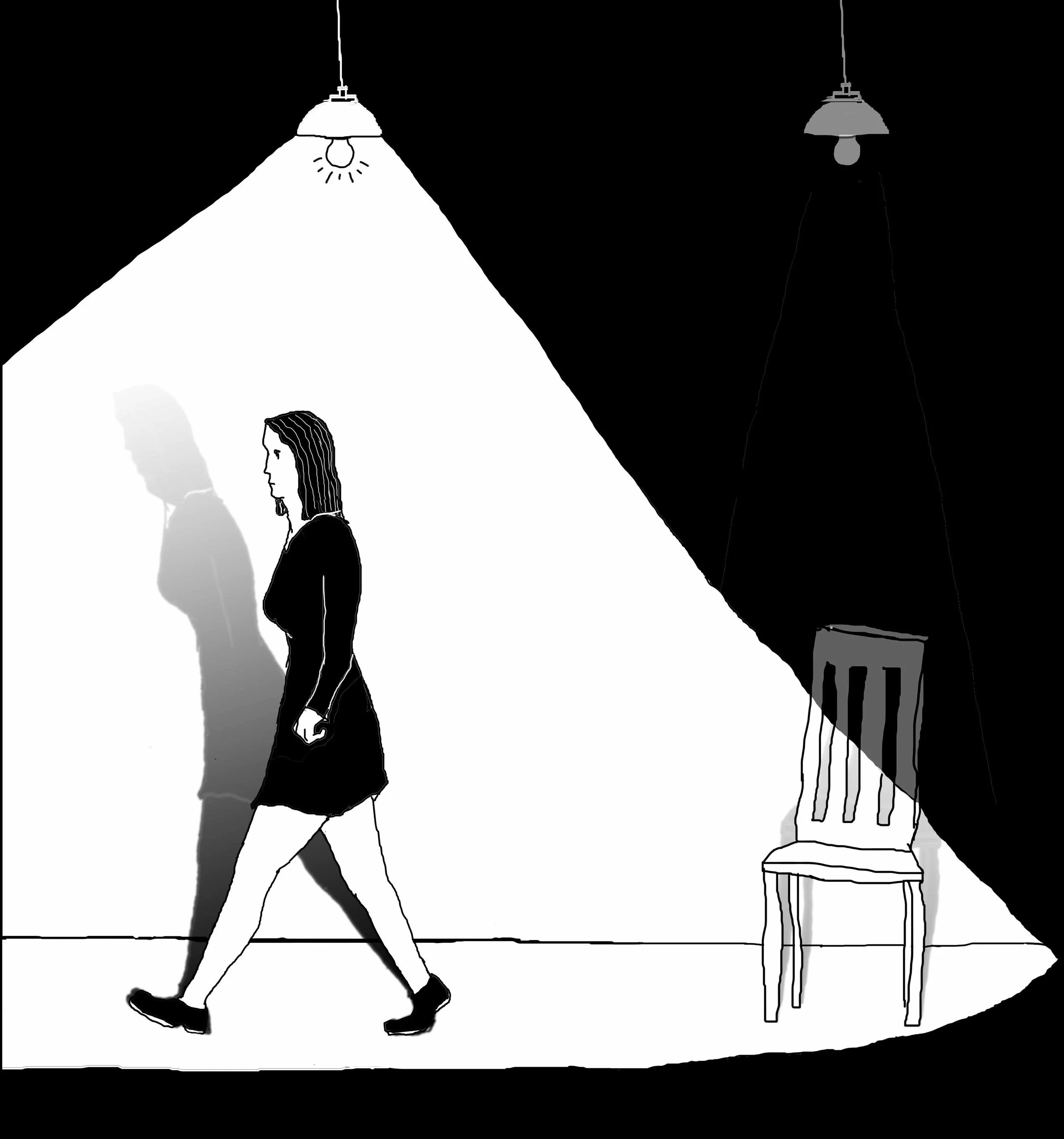
I mean I know that, if the novel has begun, it doesn’t stop merely because I’d like for it to, or because I’m not sure what to say next.
diary /

I ask that question as part of the diary, though I know it must be part of the novel as well.
diary /
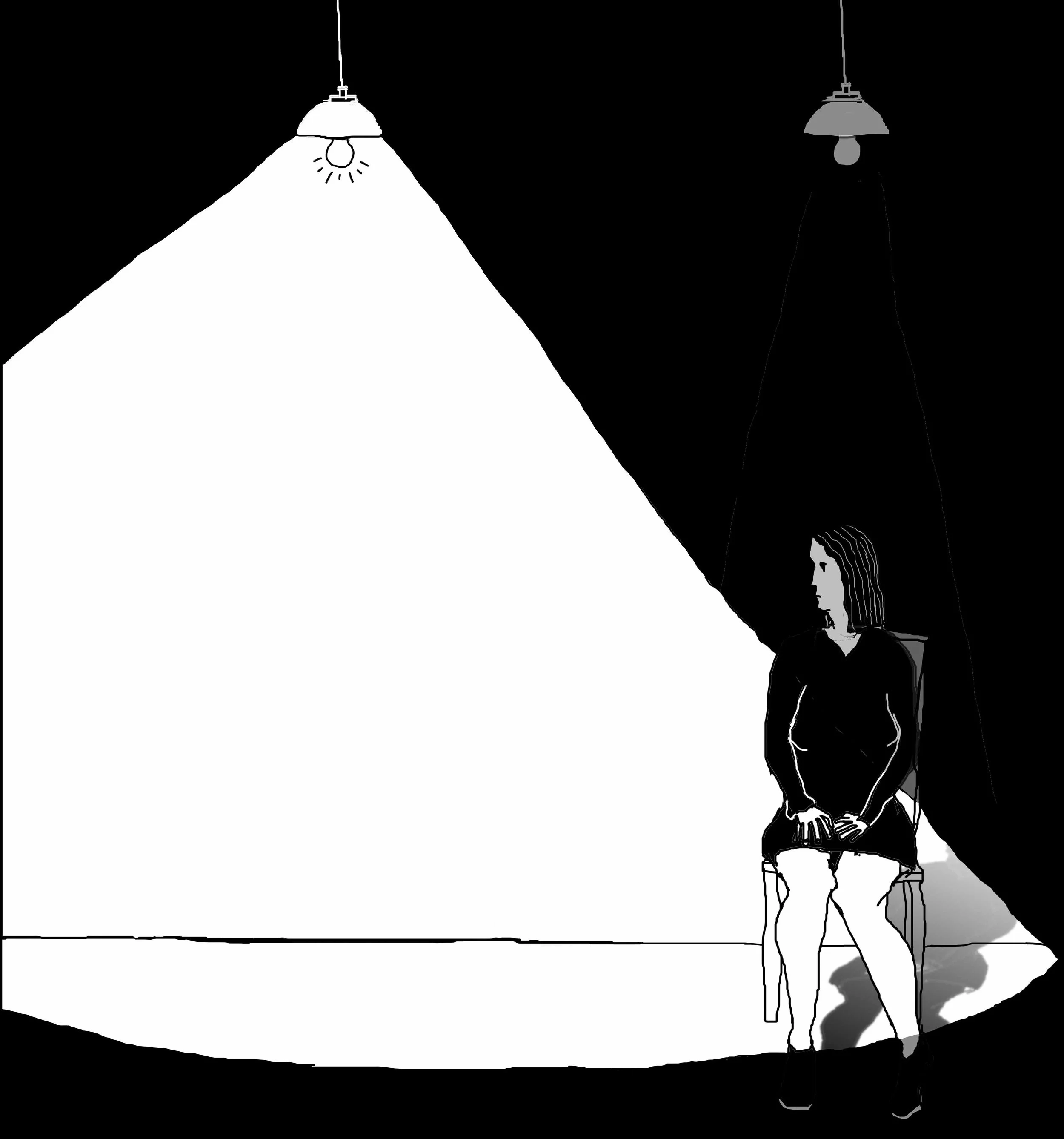
Had the house always been windowless? Or did the woman wake one morning to find that, in the night, something had happened to it, and now the windows were gone?
diary /

So, ok. Once there was a woman who lived in a windowless house.
diary /

This style, or effect, also described as ‘whatness’, is the genetic makeup of art, peculiar to each artist. Which is why, in revision, one can’t take something out or add something in, or change one thing to another, without causing reverberations; every element in a work of art must be born of the gesture that precedes it.
diary /

Take this diary, for instance. It contains a variety of expressions. But it succeeds as a work of art only insofar as those expressions have a unity of style, or effect.
diary /

The child is the father of the man, is a saying that comes to mind; the entirety of a work of art, or the blueprint for it, must be evident in each of its utterances, in each of its constituent parts.
diary /

Which isn’t to say that, in the writing process, what at first is the opening sentence can’t be done away with, and be replaced by something else, but only that, if the work is to reveal itself, and find its rhythm, and manifest so fluidly that the writer feels not entirely in control of where it is going, which needs to happen if the work is to achieve an unpredictability, though not an implausibility, then whatever is essential at its outset must be imparted, like a ghost, or a reverberation of form, to everything that follows.
diary /

But, whatever that opening sentence might be, the rest of the novel would have to proceed from it, for to depart from it completely would mean that the writer had set down words that did not matter, or, to use the analogy of painting, had included, on the canvas, brushstrokes that had no relation to the final image.
diary /

Or I could draw something else altogether, a pattern or a shape that might communicate the mood of that opening sentence, though it wouldn’t pertain to the action of the sentence itself, or to the person and the object that the sentence had meant to portray.
diary /

For instance, my opening sentence could be: “Once there was a woman who lived in a windowless house.” And I could draw that house, or I could draw the woman, or the expression on the woman’s face, as she stood inside the house, doing nothing, or doing something, it wouldn’t matter what.
diary /

Instead of writing a novel in a document on my computer, and saving it as I go, I could start one in this diary, beginning whenever, on one day or another, and continuing from entry to entry, illustrating like I have been, with pictures that I’ve drawn, though not minding if those pictures are representational or abstract, though the novel itself would be representational, meaning, rendered in such a way that, if it succeeded, readers would forget they were looking at words, and punctuation, and instead would see, in their mind’s eye, a sequence of images that the words and punctuation produced.
diary /

I started watching The Madness of King George last night, but fell asleep before I’d gotten far into it, so that it continued to play on my laptop as I must have been sleeping, and entered my dreams, I think, through the dialogue and music I still was hearing.
diary /

I keep remembering the Wallace Stevens poem Man Carrying Thing, in which the speaker says that a poem must resist the intelligence “almost successfully”.
diary /
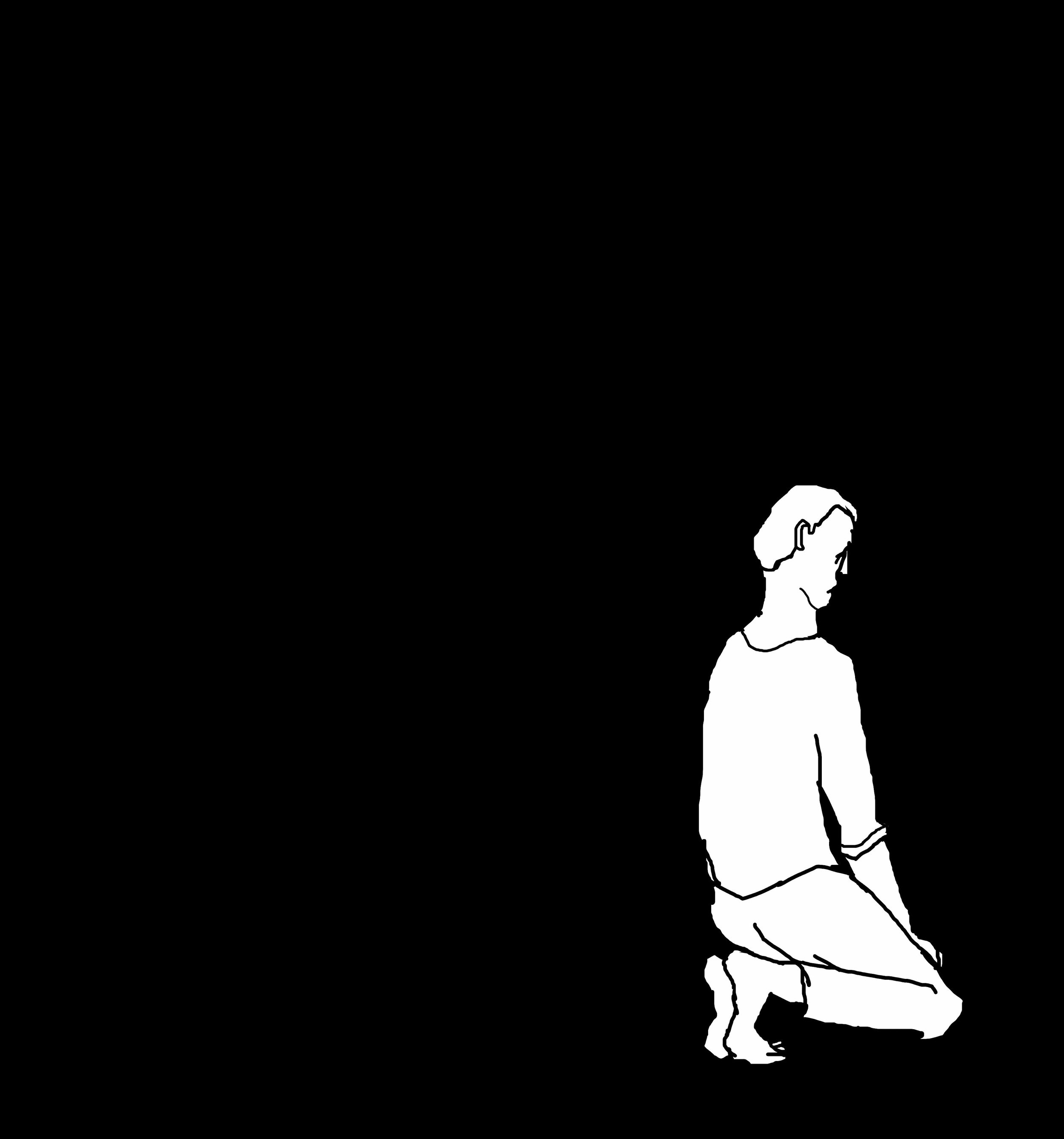
Of course, the mode of contemplation in which one can find one’s self while experiencing a work of art is not the same, I don’t think, as the contemplation to which one can be brought through prayer, or religious reverie, though the two are more similar than they are different, and perhaps are related by the awareness they can occasion in us of our own mortality, which I don’t mean in a morbid way, or in a way that is lacking in consolation, but more as a fact that will assert itself regardless of whether we’d like it to, and that can evoke in us, if we don’t flee from it, a tranquility or surrender that can help us to know when to act, or to speak, or to remain silent.
diary /

Not that, either, every audience is capable of being moved by the work of art to which they have made themselves present, for such an outcome depends on many things, not least of which is the context where the art is encountered, though if the context is ideal, by which I mean a set of circumstances that doesn’t hurry the audience’s experience of the work, nor pressure the audience to say anything about it, nor encourage the audience to perceive their time with it as a transaction through which they gain some definite knowledge, or return, then there’s no reason such an audience, if they can only exert on their soul an act of the most mild patience, can’t enter into a mode of contemplation that it is one of art’s purposes to bring about.
diary /

Not that artists can’t be motivated by joy, but only that the work they produce under its sway, or in its thrall, has the same potential, aesthetically, as a work born of despair, insofar as neither work will succeed unless the artist, when embarking on it, is able to subsume the fervor of those sentiments, or spiritual conditions, into the coldness or remoteness, which isn’t to say heartlessness, of technique, which is really only talent, when talent is put to use, and which can be measured by one’s ability, when manipulating the medium in which one practices, to bring the audience into contact with a truth that cannot be parted from its fictive roots.
diary /
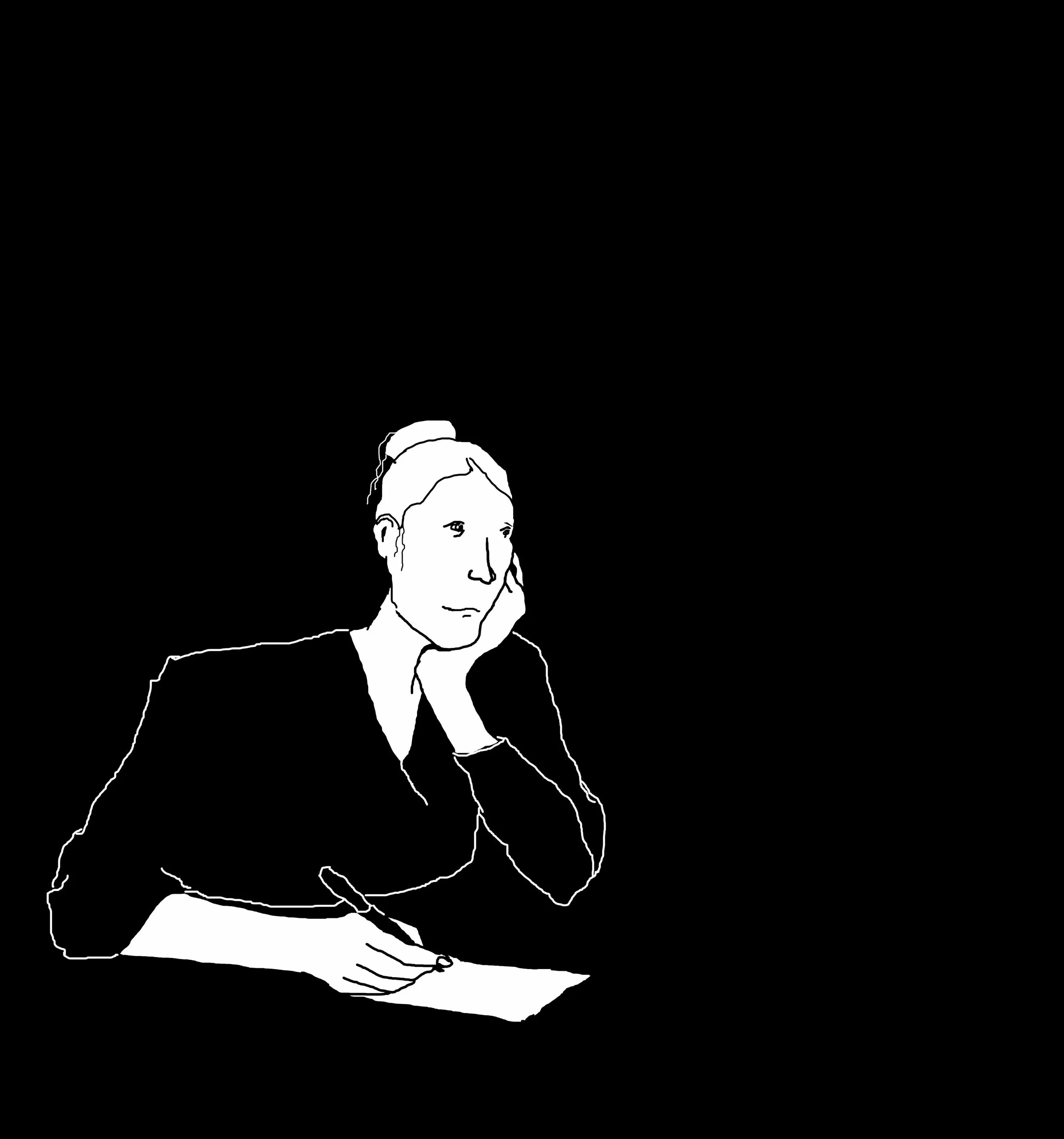
The consolations of art, for the artist who makes it, as opposed to the audience for whom it is made, can, I guess, be considerable, insofar as the making of it can distract the artist from whatever cares or fears or sorrows have driven her to that pursuit in the first place, even if, as an end, what she makes is of little importance to her, or is unable to hold her attention once it is made, so that she cannot dwell on it, or obtain from it much satisfaction, but begins again searching for something new, so that she is usually occupied, and rarely idle, although, if such is the case, it may be more accurate to say, of her body of work, that there are not so much individual pieces, but only a continuum of expression from which the artist looks up, from time to time, in order to maintain her sanity, or health, and onto which she imposes, for the sake of comprehension, beginnings and ends that are not artificial, exactly, but that cannot contain the entirety of ideas that the breadth of her efforts do.
diary /

I’ve reached a point in this diary, I think, where the entries are writing themselves, by which I mean they seem to me already there, when I sit down to write them, not formed, exactly, but proximate to me, nearby, ready to be articulate, as if each of them has taken its place in a queue that cannot be seen, and whose order is mysterious to me, as it is shaped by events that belong to the future, so that I can apprehend it only as those events at its front transpire, or happen in time, while the rest of it is hidden in a mist of potentiality, disclosing itself, I imagine, if it discloses itself at all, to the face of whatever angel has been tasked with recording or rendering my fate.